About a month ago, I decided to take the plunge for a new Android device. My choice boiled down between the HTC Desire Z and the Motorola Milestone 2 that we reviewed earlier , as I want, or more accurately need, a physical QWERTY keyboard on my phone. I eventually went for the Desire Z as the Milestone 2 wasn't yet available in Lebanon, and I have always wanted to own an HTC device.
Here is a hardware tour gallery of my HTC Desire Z's Super-LCD touchscreen, metallic clad and Qwerty goodness.

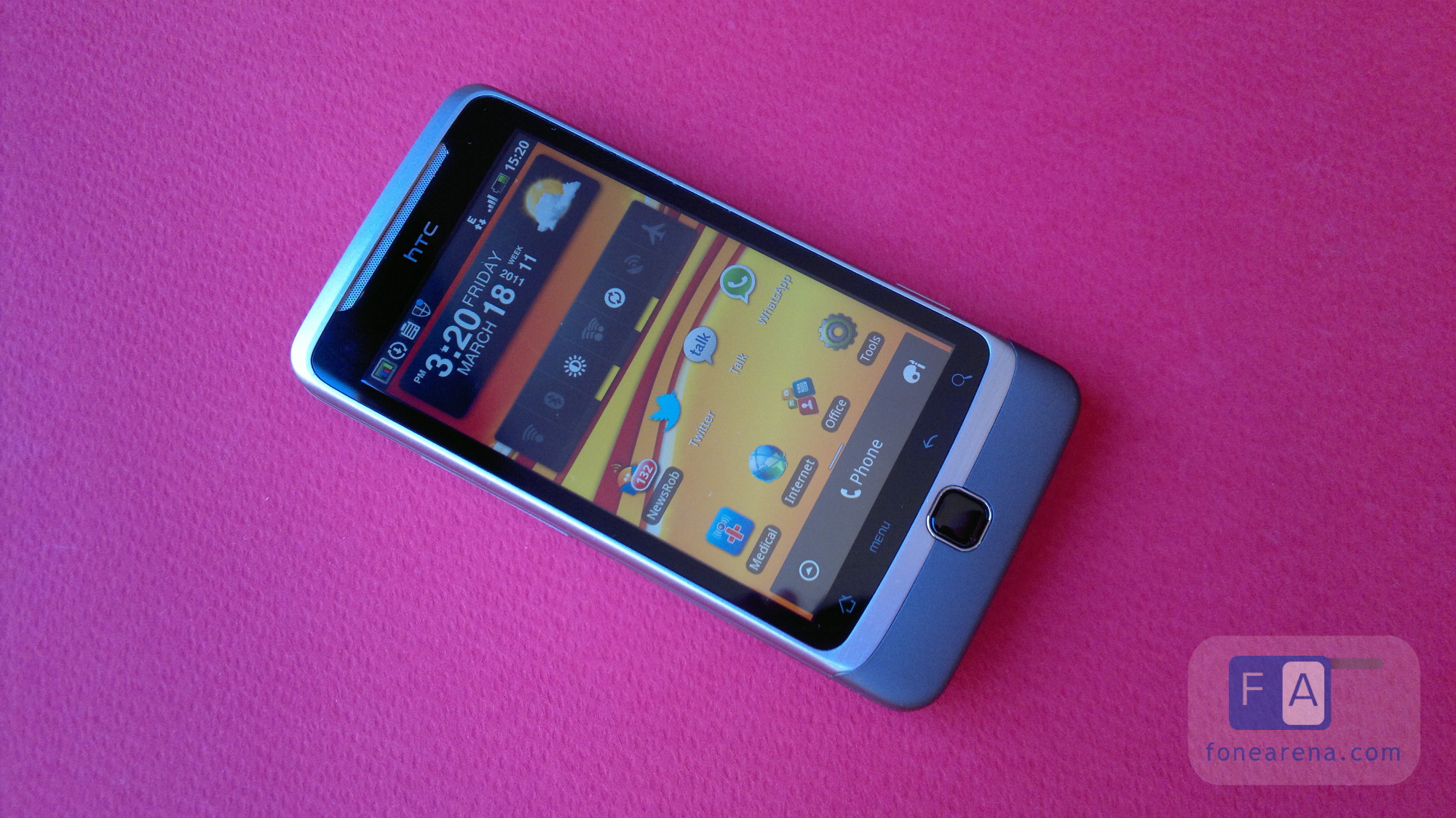
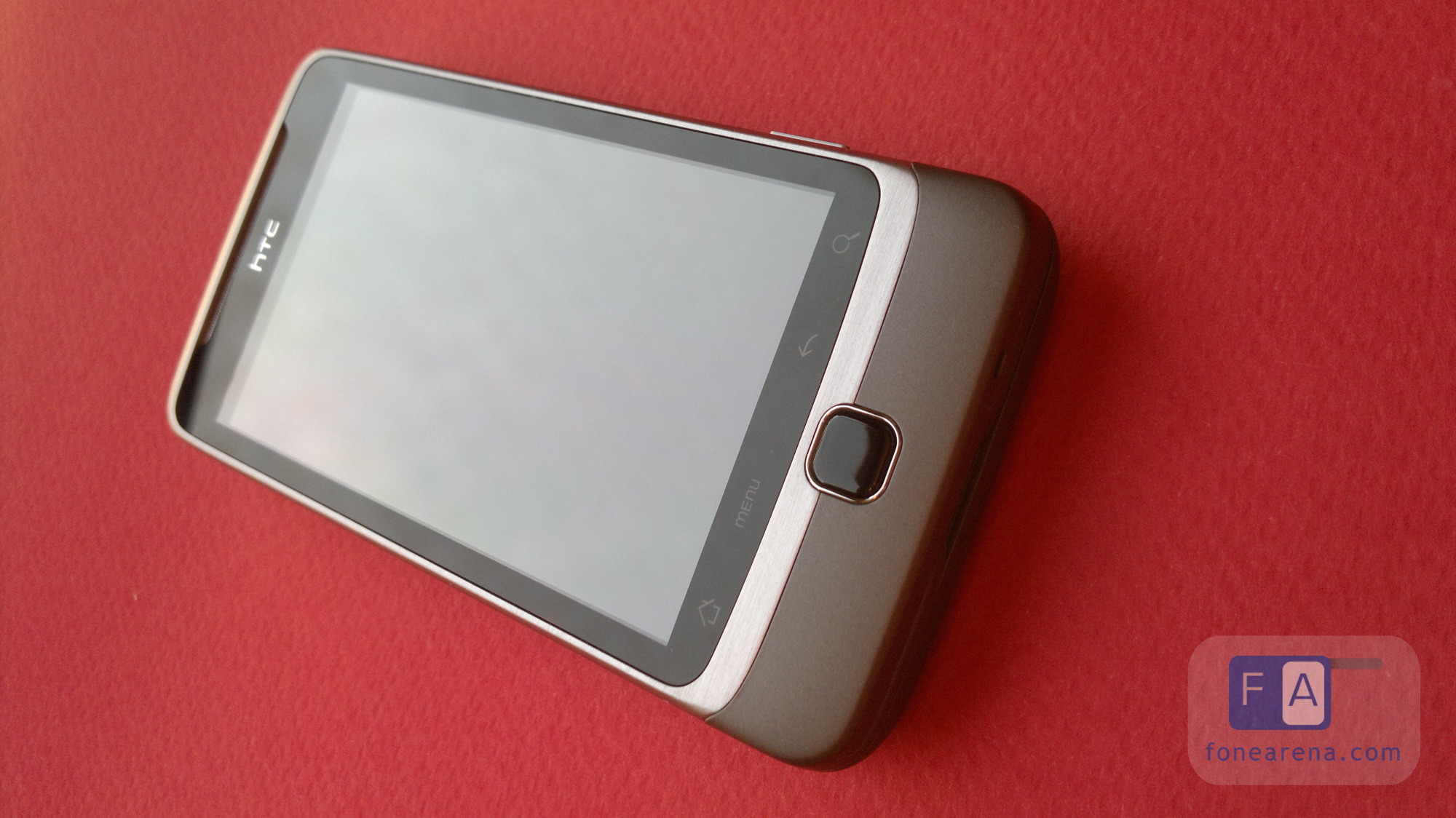
When closed and placed on a table, the HTC Desire Z looks like a regular modern touchscreen device: there's no hint as to its sliding keyboard. The front of the device is taken by the 3.7? SuperLCD capacitive touchscreen, surrounded by a black border and covered by what seems to me like some tough glass. I have been using my unit for a month, not being really careful as to where I am putting it, and there isn't a single or tiny scratch on it. Above the screen is an "htc" engraving with the ear speaker. There's also an invisible proximity sensor and light sensor that are well hidden in the black area.

A silver metallic rim encircles all of these and it extends to the sides of the device. This mix of glass and metal gives the Desire Z an elegant look and the feel of a superior build quality. HTC has sure come a long way from plastic cheap devices, and it shows a lot in their recent line-ups of devices.

The four Android buttons are touch sensitive and placed directly below the screen, they light up in white in dark environments. The touch trackpad is centered and has a smooth feel to it, allowing you to scroll lists, around the browser, inside applications, or while writing text more accurately than by using the touchscreen. It's also a physical button, so pressing it will emulate an "ok" click.

The Desire Z fits well in the hand, even a small one like mine, and its overall size hits that sweet spot of being large with a great touchscreen without being too big to hold and use in one hand.

The Desire Z's back is taken in great part by the battery cover. This one is made from the same metal surrounding the screen, and helps give the Z a premium feel. The rest of the back is made from a dark grey plastics that is rubberized to the touch.

Beneath the battery cover, you can find the Lithium-ion 1300 mAh battery. Remove that, and you will get access to the SIM card and microSDHC card slots. The Desire Z ships with an 8GB card installed in the phone.

Below the battery cover, you will see a very subtle "With HTC Sense" engraving on the plastics, that appears more clearly in other light conditions, and that prepares you to be greeted with HTC's own layer of Sense UI, launcher, camera, widgets and services.

On the top of the battery cover is the only mono loudspeaker on the Desire Z. It won't fill the room with music, but it is loud enough for average use. Next to that is the 5 Megapixel camera with its one LED flash. This definitely isn't the selling point of the Z, but for regular mobile photography, it will do great. It can Autofocus really close on Macro shots, the LED flash can be used as a flashlight and for video, however the colors always come up a bit washed out and night shots aren't that terrific. The camera is capable of shooting video in HD and that should make up for the still shots shortcomings.

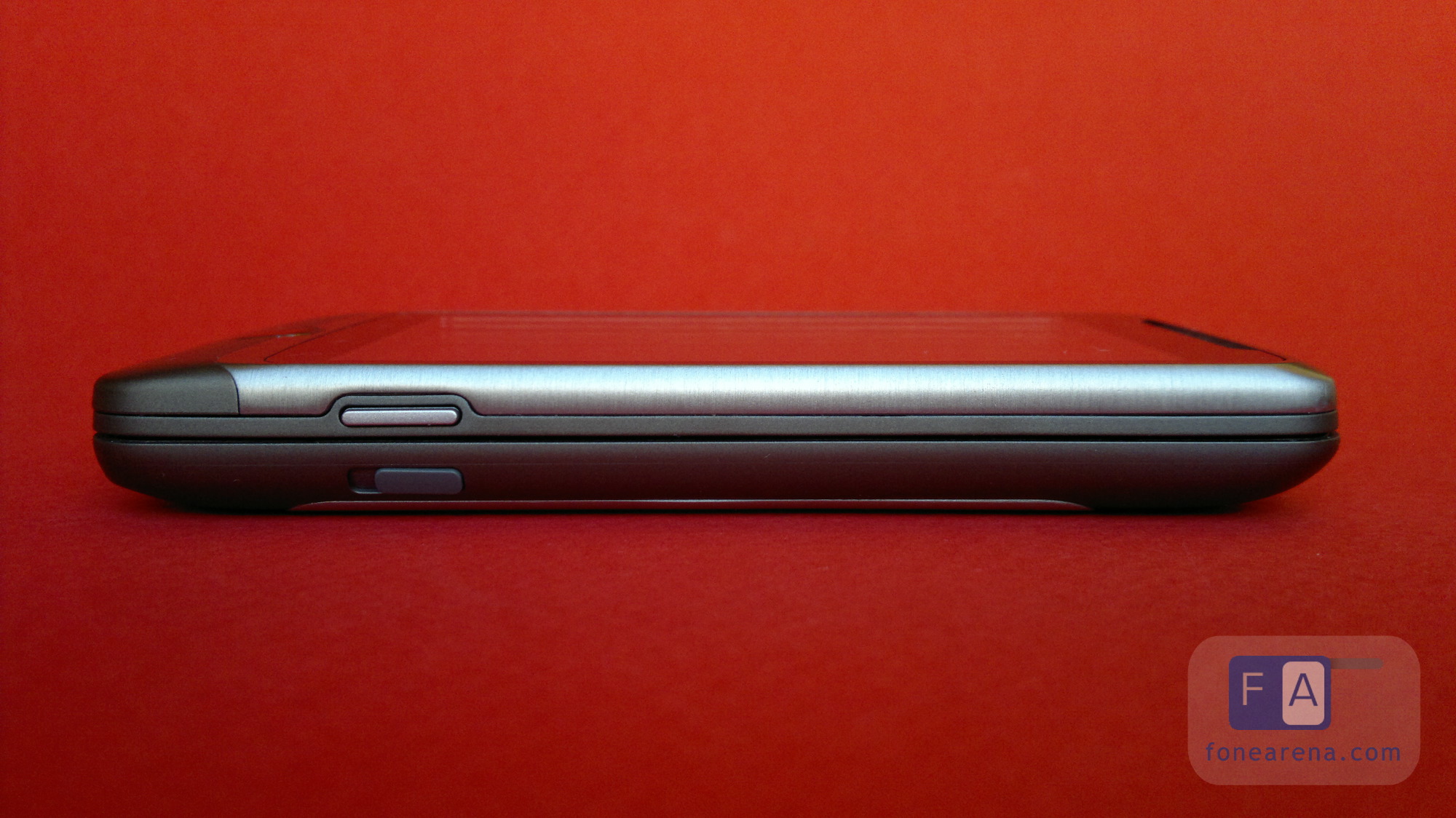
The right side of the Desire Z shows two buttons: the two-stage camera shutter button, and below it is the snatch to open the battery cover. The camera button is on the upper portion of the slider, while the snatch is obviously on the lower one.

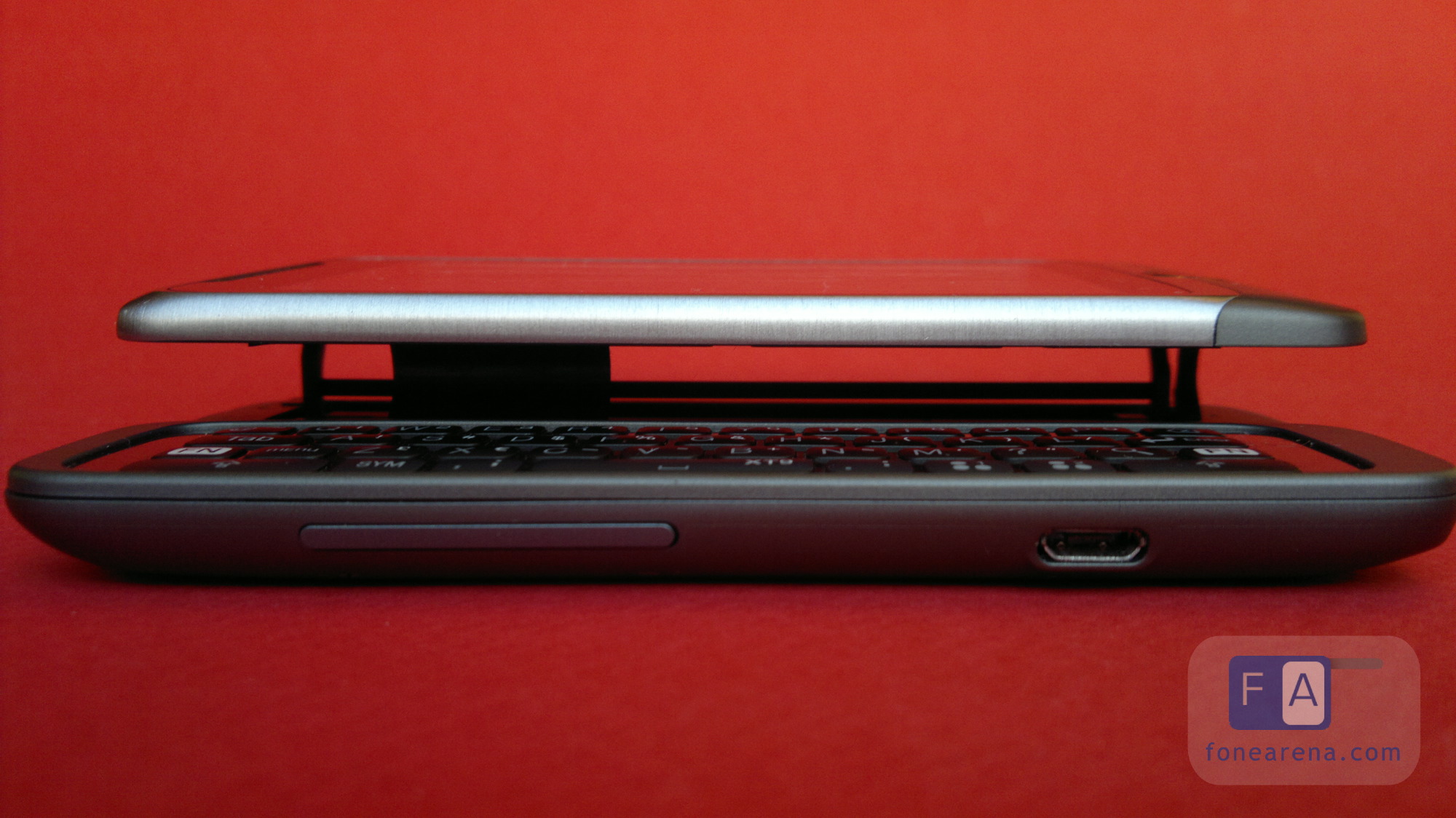
The Desire Z's left side has the volume buttons rocker and the microUSB plug for charging and connecting it to a computer.

Both of these are on the lower slider portion, so that when you slide open the keyboard, you would still have access to them without having to reach out.

The top of the Desire Z has the 3.5 mm plug for headsets and the power/lock button.

The lower side of the Desire Z is clean, with only the microphone showing up. In the below picture, you can see that and also see how the Desire Z's slider is divided.

The Desire Z features HTC's new Z-hinge mechanism. There are two middle portions, and one of them is related to the lower slider part while the other is for the upper part. Push open the Desire Z and you can see how these separate while the screen lifts up.

The screen does a half circular motion, going up then falling down, so that it sits flush next to the keyboard. This design makes the Desire Z flatter when open than when it is closed, unlike simple sliding keyboards that only move the screen away while keeping the same thickness.

The weight is well divided across all sections so when open, the Desire Z is very stable and feels slim in your hands.

Let's go back to the opening mechanism. From this angle, you can see the 3 vertical plastic levers (one on the left and two on the right) used to hold the screen and keyboard together, as well as a horizontal bar that keeps the levers together. Also visible is a large black electronic cable that connects the screen to the chipset in the lower half.

One of the many criticisms people have been giving the Desire Z is the fact that the hinge is largely reliant on gravity. Start from either a closed or open position, and hold the device upside down by the keyboard half: the screen half will simply fall open midway like shown below. This gravity effect doesn't show when the device is held with the screen side up. This quirk does get annoying if you're lying back on a sofa or in bed and holding the phone above you, you will struggle to keep the keyboard closed or open. However, it's a limited scenario, and more often than not, you will find the hinge solid enough for everyday use.

If you flip over the Z with the keyboard open, you can notice a dotted pattern on the back of the screen half as well as two of the levers.

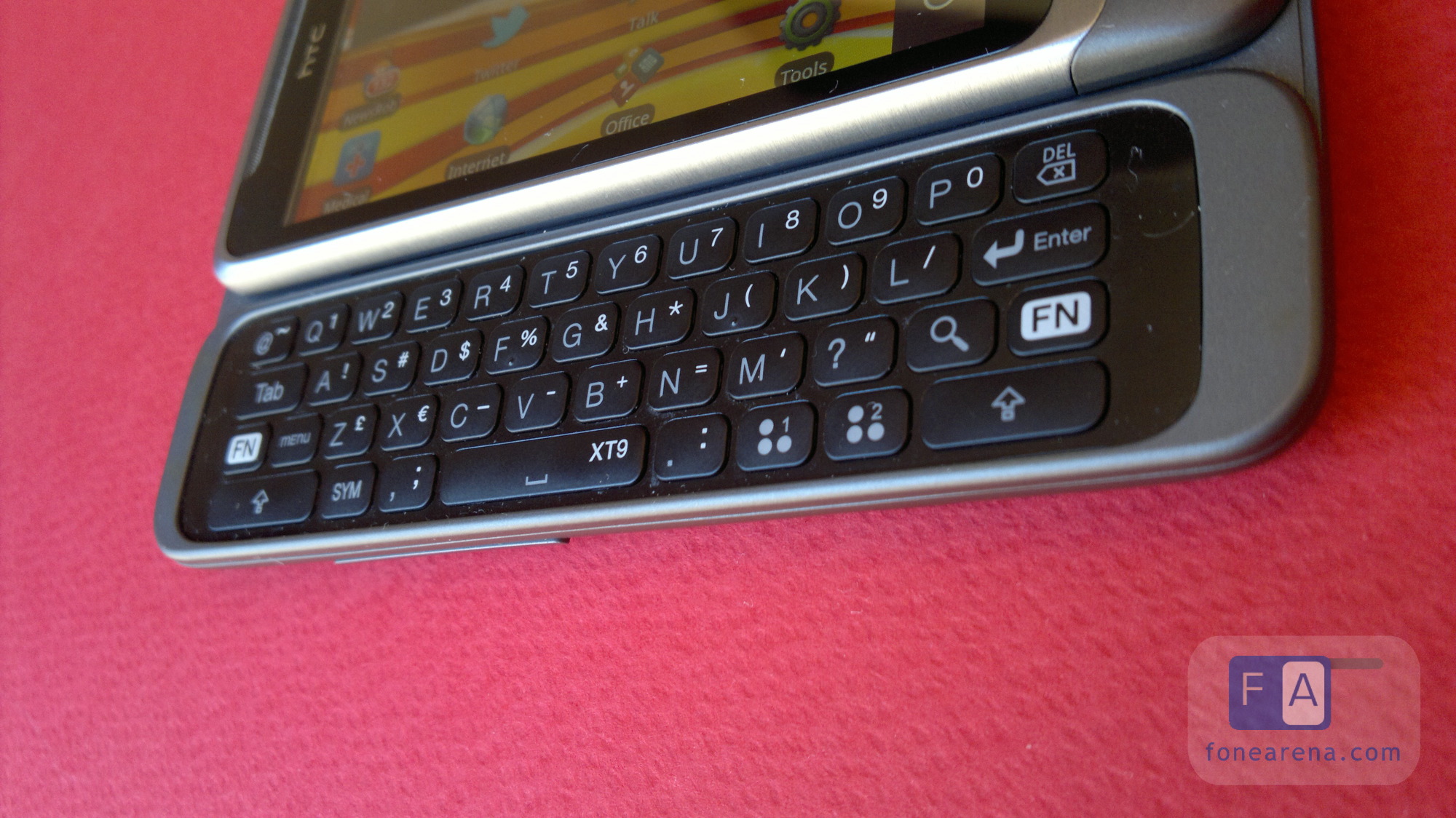
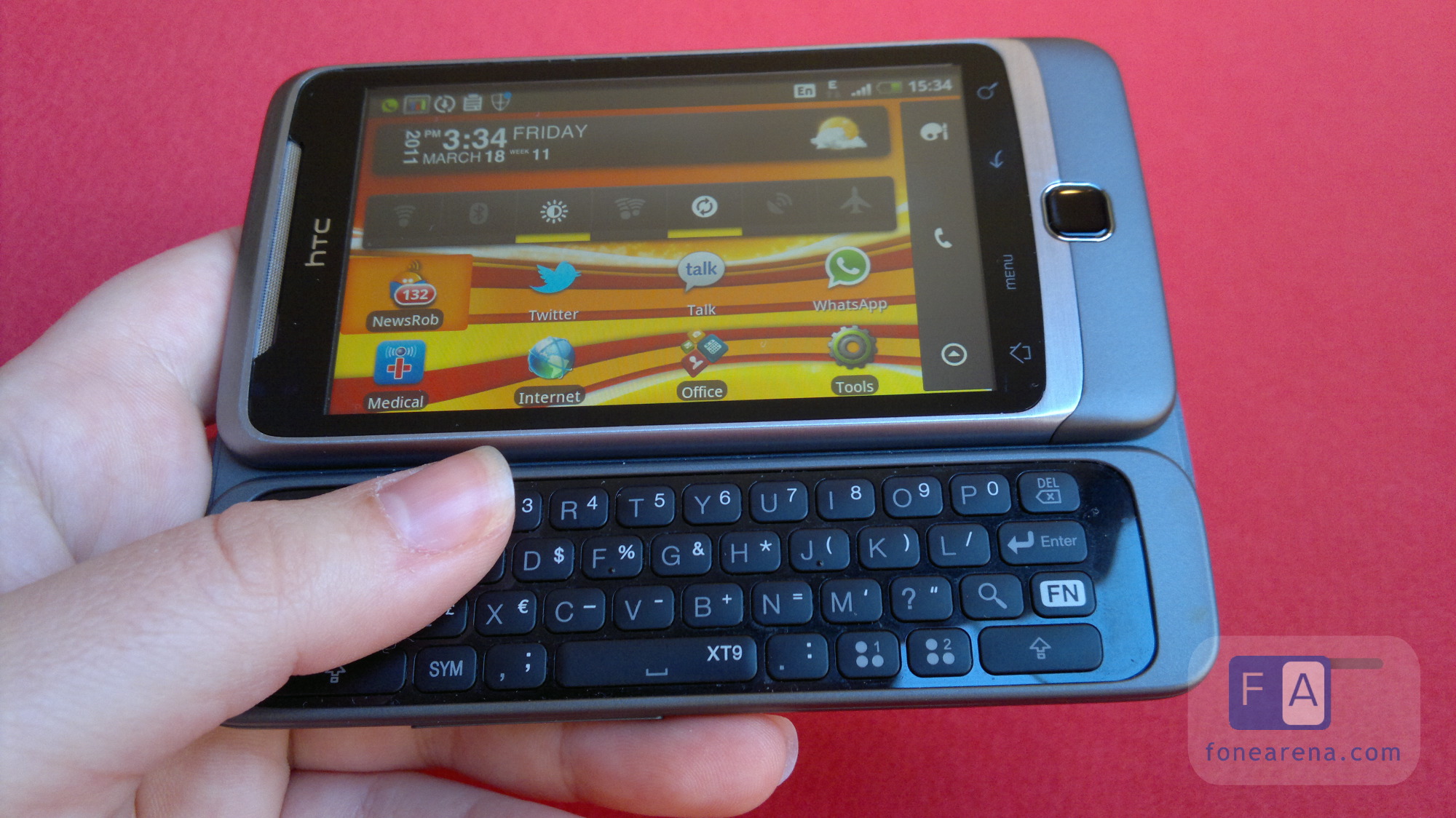
The keys on the keyboard are slightly raised and well differentiated. They offer a small travel between keys and a nice tactile feedback. The first day or two of using the Desire Z, I felt that the keys were a bit stiff, however with regular use, it became a lot easier and more responsive. One month of daily use later, I am totally in love with the keyboard and I wouldn't trade it for any on-screen keyboard in the world. It's just great!

The keyboard is a 4-row one, with the numbers occupying the second function on the upper row. The rest of the keys offers quick access to punctuation and symbols. There are 2 Fn and 2 Shift keys on each side of the keyboard, separate Tab, Symbol and @ keys. However, one of the nice surprises of the Desire Z were the dedicated Menu and Search buttons, letting you access functions inside many applications without having to reach for the screen. Also available are two shortcut buttons you can assign to launch any application on your device, so you can easily open them whatever you're doing.

Another feature of the Desire Z is that any key on the keyboard can be assigned as a shortcut to launch an application with a long press, but that only works from the homescreen so as not to interfere with the regular typing process.

Comparing the Desire Z with another modern smartphone with a similar form factor, the Nokia E7, shows that it's slightly more compact.

The Desire Z however features a flat design when open, while the Nokia E7 opens with a tilt putting the screen at an angle facing you, like a miniature laptop.

Overall, after a month of regular use of the Desire Z, I keep going back to appreciating its elegant design and premium feel. In a world dominated with cheap plastic smartphones that compromise on the materials to get a lower cost, it was a nice surprise to see an attention to detail put into the Z. Also, thanks to its Z-hinge and keyboard, it stands out from the flood of Android competition, while not compromising much on the specifications sheet.
What do you think of the Desire Z's hardware design and materials? Does the Z-hinge and keyboard appeal to you as providing a different experience from other Android devices, or are you content with touch-only devices with on-screen keyboards?

<!-- Begin SexyBookmarks Menu Code -->
<!-- End SexyBookmarks Menu Code -->













 Hi, my name is Rita El Khoury, I am a pharmacist by profession, a mobile enthusiast by passion. I have lived in Lebanon almost all my life, aside from going a year to Paris, France, for a Masters in Medical Research. When I'm not trolling the internet for medical or mobile news, or managing my pharmacy, I can be found watching a movie, listening to music, swearing at the traffic in Lebanon or testing my creative talents with some new video.
 In the more immediate future, I'm interested in NFC chips, as well as new display and text entry technologies.